PR
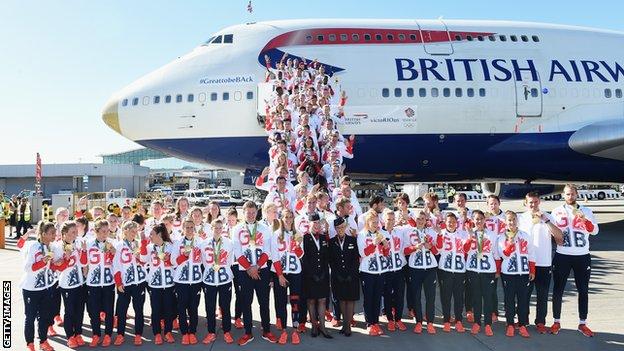
6 marketing communications lessons from Rio
Leicester City - the power of storytelling
The strong possibility that Leicester City will win the English Premier League title is one of the biggest stories in world sport.Around the globe, journalists and sports fans are marvelling at the team's achievements.The furore around their success is also a lesson in the power of storytelling - and how people and organisations can gain much more recognition if they can tell stories about their achievments.


PDF newsletters hit the mark
Building relationships with customers is essential in business, and devices for doing that include eshots, or PDF newsletters.Winning a new customer can take a good deal of energy, so it stands to reason that you'd want the customer to like you, understand fully what services you can offer, and to recommend you to their contacts.

7 things you should expect from good business copywriters


Ed Miliband reinvented - media training advice designed to win elections
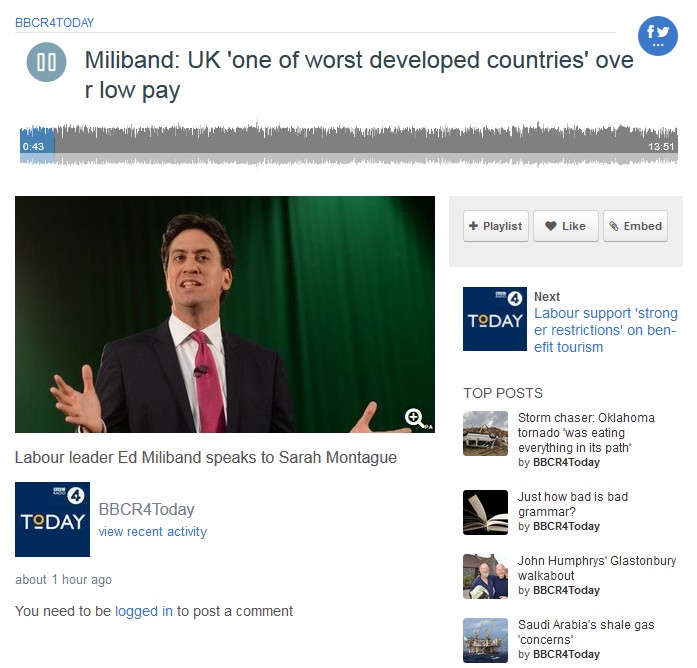
Ed Miliband, the Labour leader, was sounding different on Radio 4's Today Programme this morning. Interviewed by Sarah Montague, there were clear signs that he had changed his approach and style to media interviews. Political leaders are constantly either trying to hone their media interview skills, or are having media training experts trying to do the same for them. Ed seems to have changed his style quite signficiantly.
5 tips for writing perfect press releases
One of the central building blocks of any media campaign is the press release. There are now many ways and places to tell a story. But preparing a press release to send to journalists in a form that will make them go – “Hold the Front Page!” – well, at least show some interest, is a good starting point. There are many things to consider when sitting down to write a press release, so here are 5 of them.

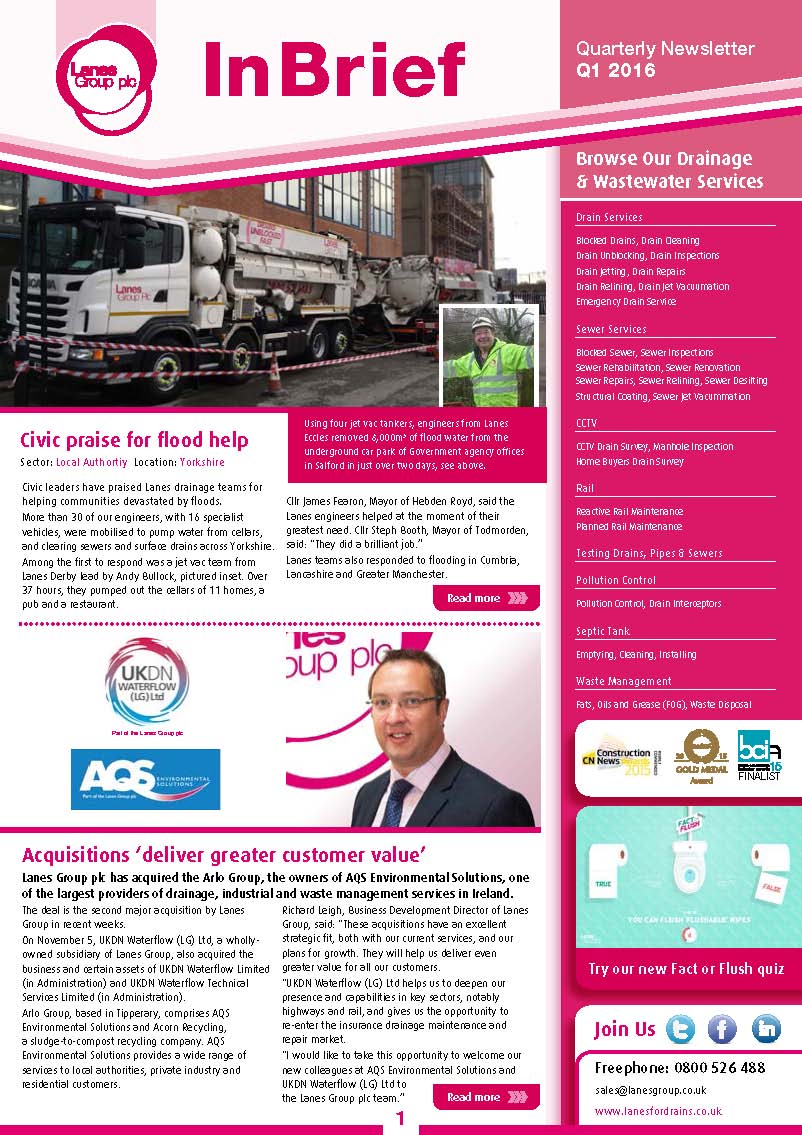
Top firm achieves double win after using our business award writing service
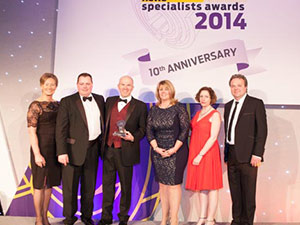
We're really pleased here at matm to have helped another client win two much-coveted and much-deserved business awards.On Wednesday March 19, at a ceremony held at the London Hilton Park Lane Hotel, Lanes Group was announced as winners of the Health and Safety Excellence Award at the Construction News Specialists Awards 2014.
The benefits of business case studies

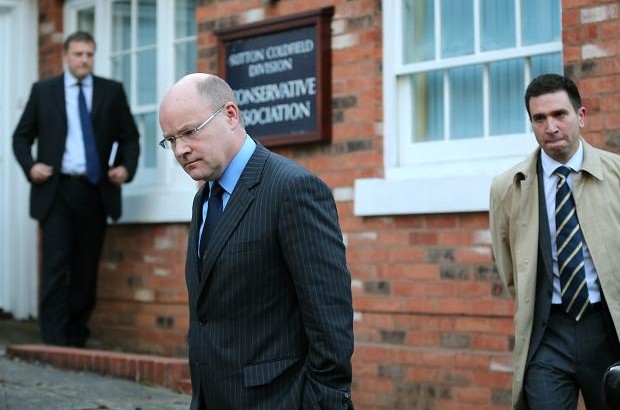
The Plebgate Police Federation officers needed good PR advice
Good PR companies in Shropshire - Matt suggests you try us
Press releases - BNI Landlord Success event in Shropshire

Press release writing service success: Cornbrook Construction
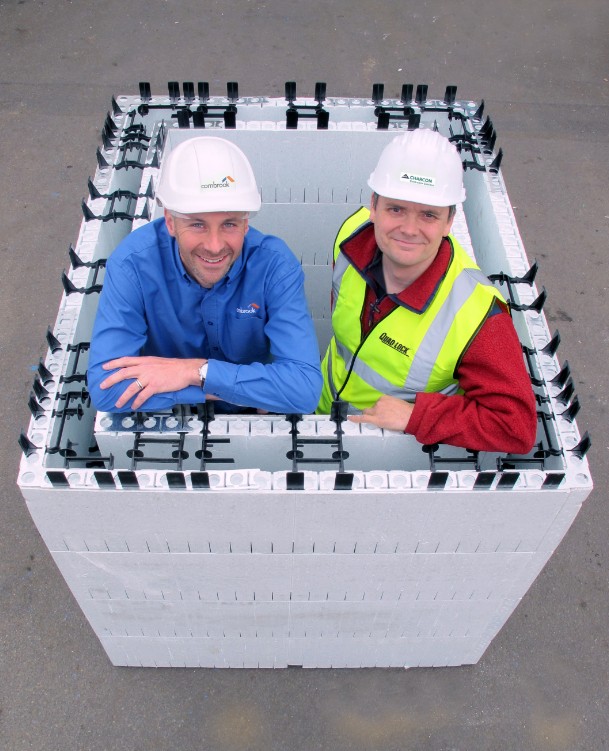
Here's a press release we prepared for Shropshire construction company Cornbrook Construction about a tie-up with another Shropshire firm Quad-Lock. It was used as the business supplement lead by the Shropshire Star and several other publications.Part of its appeal, I think, is the strong picture. Strong news media photography always helps when pitching a news story. I took the picture myself, saving the client the significant cost of hiring a dedicated photographer. Another benefit of PR from matm!
10 tips for taking great photographs that promote your business
Press release writing service in Shropshire - on the right tracks
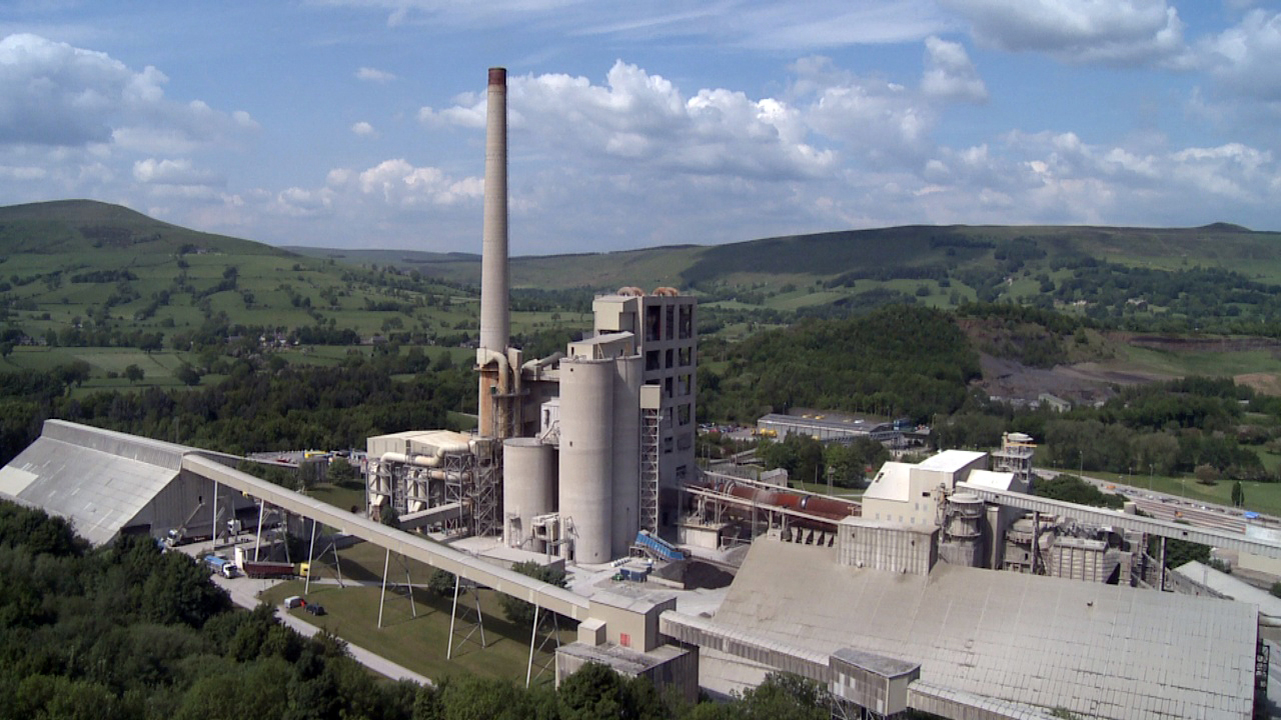
Lanes for Drains got to the bottom of persistent flooding at one of the UK’s largest cement works – and saved the company tens of thousands of pounds it expected to have to spend to cure the problem.Lanes engineers based in Sheffield were called in to investigate the flooding of a railway track on the site of the Hope Valley cement works near Castleton, South Yorkshire.
Professional copywriting as a poetic apology